Good to know: Charter Labuan Bajo is operated by Komodo Luxury, a real award-winning Indonesian liveaboard operator (TripAdvisor Travelers’ Choice 2022–2025, founded 2015, part of Juara Holding Group Limited). We charter the whole vessel privately for your group. Komodo National Park (UNESCO 1991) requires park entry fees/permits — general information, verify current rates. Dive-site conditions and seasons are indicative and vary; Komodo currents are strong and many north sites are advanced. Marine life — mantas, hammerheads — is seasonal and wild, and can never be guaranteed. Prices are indicative ranges, by quote, and vary by vessel, cabins, season, trip length and group size. Enquiries and booking via WhatsApp +62 811-3823-875 and sales@komodoluxury.com.
A komodo charter season guide is your month‑by‑month map to the best weather, sea conditions, and wildlife for a private boat charter in Komodo National Park. In Komodo, the best months depend on what you prioritize: calm seas and family‑friendly snorkeling, advanced diving and currents, manta or macro, or fewer boats and quieter bays.
Komodo Charter Season at a Glance
Komodo National Park sits in the middle of Indonesia’s “flow‑through” between the Pacific and Indian Oceans. That means year‑round sailing is possible, but the character of each month changes: wind direction, rainfall, visibility, and current strength all matter for planning your private charter.
At Charter Labuan Bajo, operated by Komodo Luxury, we only run private charters aboard our own fleet of luxury phinisi:
- Komodo Signature – luxury phinisi (up to 14 guests)
- Komodo Prestige – luxury phinisi (up to 10 guests)
From Labuan Bajo, we tailor each charter around:
- Season and wind pattern
- Expected sea state (swell, chop)
- Group profile (families, non‑swimmers, snorkelers, divers, photographers)
- Certification levels and experience with current
- Trip length (typically 3–7 days)
Below is an indicative overview of komodo boat season conditions. These are averages, not guarantees; Indonesia’s climate is changing, and every year has its own personality.
| Season | Months (approx.) | Weather & Sea | Diving & Wildlife | Best suited for |
|---|---|---|---|---|
| Core Dry Season | June – August | Dry, cooler, generally calm; more wind in south | Very good visibility; strong currents; mantas more in south/central | Advanced divers, active groups, hikers |
| Extended Dry | April – May & Sept – early Oct | Mostly dry, warm, relatively calm | Great overall; mantas central/north, healthy reefs | Balanced trips, families, mixed snorkel/dive |
| Transition (Shoulder) | March & late Oct – Nov | Mixed sun/showers; changing winds | Variable visibility; often very productive for mantas | Photographers, divers open to some weather |
| Wet Season Core | Dec – Feb | More rain, chance of squalls; some days very calm | Lush landscapes; some sites affected by runoff; manta action can be good | Weather‑tolerant guests, flexible itineraries |
Dry Season (April – October): Prime Komodo Boat Season
For many guests, April through October is the heart of Komodo’s boat season: lower rainfall, good visibility, and predictable trade winds.
April – May: Clearer Skies, Fresh Reefs
- Weather: End of the wet season; rain showers decreasing, more consistent sunshine.
- Sea: Generally calmer seas, especially in the central and northern park.
- Diving/snorkeling:
- Reefs are vibrant after rainy months.
- Visibility typically improves through April into May.
- Some plankton may still be in the water, attracting mantas in central sites.
- Charter notes:
- Excellent for a first‑time Komodo charter.
- Good balance of calm conditions and marine life.
- Fewer boats than July–August peak.
Recommended trip length from Labuan Bajo:
• 3 days / 2 nights: Highlights loop (Padar, Komodo/Rinca, central snorkel spots).
• 4–5 days: Adds northern or southern sites for more varied reef profiles.
June – August: Peak Dry Season & Peak Demand
- Weather: Typically dry, with cooler evenings and strong sun during the day.
- Sea:
- Many days are calm in the central and northern sectors.
- The southern part of the park can be choppier from the southeast trades.
- Diving/snorkeling:
- Often excellent visibility, particularly in the north.
- Currents can be strong at classic Komodo drift sites; this is part of the attraction for experienced divers.
- Manta rays may be encountered in selected cleaning and feeding stations, but sightings are never guaranteed.
- Charter notes:
- School holidays and global summer breaks mean high demand.
- Ideal window for families who want predictable weather, with careful site choice for children and non‑swimmers.
- On Komodo Signature and Komodo Prestige, we can adjust daily schedules to avoid peak times at popular sites.
For experienced divers, this period is exceptional for current‑driven reefs, but we will only schedule advanced sites if everyone’s certification and recent experience match the conditions. North Komodo in particular can be advanced, with fast drifts and down‑currents possible.
September – Early October: Dry, Warm, Slightly Quieter
- Weather: Still mostly dry, slightly warmer, with gradually lighter southeast trades.
- Sea: Often some of the most comfortable sea states of the year across many routes.
- Diving/snorkeling:
- Excellent underwater visibility can persist, especially in northern Komodo.
- Coral reefs are healthy; fish life is very active.
- Transitional conditions can create very photogenic light and color.
- Charter notes:
- Superb for mixed groups: divers, snorkelers, and casual cruisers.
- Good option if you prefer slightly fewer vessels than peak July–August.
Trip lengths we commonly run in this extended dry window:
- 3D2N Private Charter
- Central Komodo highlights: Padar sunrise, Komodo or Rinca dragons, manta‑possible site (conditions dependent), pink beach, snorkeling gardens.
- 4D3N Private Charter
- Adds time to reach either northern or southern reefs, plus extra sunset hill hikes and quiet bays.
- 5–7D Private Expedition
- Custom loop covering north, central and south sectors for experienced divers or photographers aiming for variety in coral, topography and current profiles.
Mid‑trip planning tip: to work out the right length and focus for your dates and group, you can plan your trip with us directly or message via WhatsApp at +62 811-3823-875 for a tailored seasonal recommendation.
Wet Season (November – March): Lush Landscapes & Flexible Plans
Komodo is open year‑round, and there are real advantages to wet‑season charters for guests who are comfortable with some weather.
November: Shoulder Season Sweet Spot
- Weather: Transition from dry to wet. More clouds, scattered showers, some very sunny days.
- Sea: Generally still manageable, with occasional stronger winds or squalls.
- Diving/snorkeling:
- Visibility can vary but can still be very good.
- Plankton blooms can begin, which may attract pelagic life.
- Charter notes:
- Fewer boats and more space at anchorages.
- Good time for photographers who appreciate dramatic skies and greener hills.
December – February: Rain, Clouds, But Some Very Calm Days
- Weather:
- Highest chance of rainfall, often in short, intense bursts rather than all‑day rain.
- Cloud cover can moderate daytime temperatures.
- Sea:
- Some days feature glassy calm conditions; others may bring swell and localized storms.
- We adjust routes daily based on safety and comfort.
- Diving/snorkeling:
- Visibility can be reduced near river outflows or after heavy rain.
- Certain manta feeding areas may be productive in these months, depending on currents and plankton.
- Charter notes:
- We recommend extra flexibility in your expectations: some hikes or exposed sites may be swapped for more sheltered locations.
- A good choice for guests who prioritize privacy and green landscapes over guaranteed sunshine.
From a safety and comfort standpoint, Komodo’s strong currents don’t stop in the wet season. In fact, changing conditions can make them more complex. Our cruise directors and dive guides will always choose sites that match the day’s current patterns and each guest’s comfort level.
March: Transitioning Back to the Dry
- Weather: Mixture of rain and increasingly frequent clear days.
- Sea:
- Often manageable with some residual chop on the more exposed channels.
- Central and northern bays can be quite calm.
- Diving/snorkeling:
- Conditions improve progressively into late March.
- Marine life remains active; macro and reef scenes can be excellent.
- Charter notes:
- Attractive option if you want to catch the park before the busier dry months.
- We commonly use this time for exploratory or photographer‑focused trips, customized to each charter.
Choosing Your Komodo Diving Months by Experience Level
Your ideal komodo diving months charter window depends on how comfortable you are with currents and variable conditions. Komodo is known for powerful water movement; many of its best sites are not suitable for beginners.
Below is a simplified guide; final calls are always made case‑by‑case on board.
| Guest Profile | Recommended Months | Typical Trip Length | Charter Focus |
|---|---|---|---|
| Non‑divers & beginner snorkelers | April – early June, Sept – early Oct | 3–4 days | Calmer bays, beaches, short hikes, gentle snorkel spots |
| Open Water divers (limited current experience) | April – June, Sept – Nov | 4–5 days | Central & some north/ south sites at slack or mild current |
| Advanced divers (comfortable in strong current) | May – Sept (can extend either side) | 5–7 days | Current‑rich reefs, drifts, diverse sites across park sectors |
| Photographers (reef + manta focus) | April – June, Sept – Nov | 5–7 days | Timing dives for light, visibility, potential manta activity |
We require appropriate certification and recent logged experience for dives involving strong current or advanced profiles. Certain northern Komodo sites in particular are typically reserved for divers with:
- Advanced Open Water (or equivalent)
- Solid buoyancy control
- Comfort in drifts and changing current direction
If your group includes both advanced and entry‑level divers, we’ll structure each day to offer safe options for everyone, sometimes splitting the tender runs and choosing different profiles within the same area.
Season, Wildlife & Reality: What You Can and Can’t Control
Komodo is wild. That’s why it’s special, and also why honest expectations are essential.
Dragon Sightings
Komodo dragons live mainly on Komodo, Rinca, and a few smaller islands within the national park. Park rangers guide visits from designated landing points. They are free‑roaming animals; sightings are common but not guaranteed on a specific trail at a specific moment.
Seasonally:
- Dry season: Trails are generally less muddy and more comfortable for hiking.
- Wet season: Forests are greener, but paths can be slippery; we adjust hiking routes accordingly in coordination with rangers.
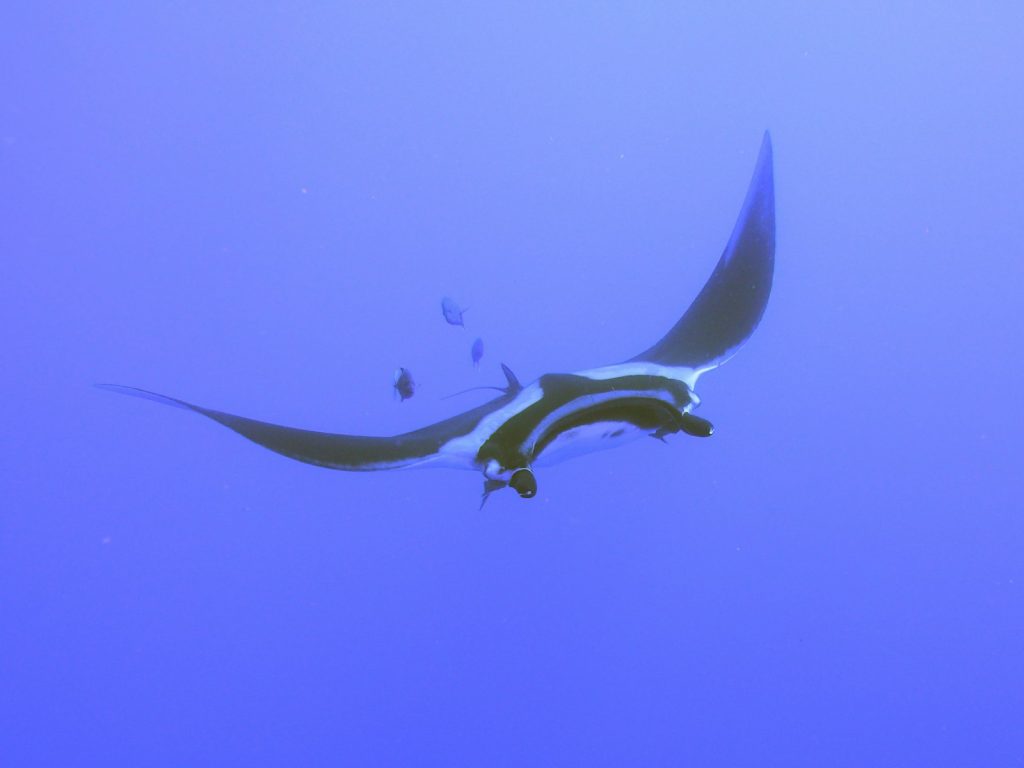
Manta Rays
Manta rays are a highlight in many komodo charter season guide requests. In reality:
- Activity is driven by complex factors: tides, currents, plankton density, temperature.
- Some areas are known cleaning or feeding zones; these can attract mantas in multiple months through the year.
- Even in prime months, sightings are never guaranteed; occasionally a site is quiet on the day you visit.
We plan manta‑oriented days around the tide tables and recent reports from our captains and guides, but we stay transparent: there is always a chance of no or brief encounters.
Sharks, Turtles & Macro
- Reef sharks and turtles are commonly observed at healthy reef sites year‑round.
- Macro life (nudibranchs, shrimps, small critters) is less seasonally dependent; it’s more tied to specific sites and guide expertise.
- Hammerhead sightings are possible in certain broader regions of Indonesia but are not a core, reliable feature of most standard Komodo charters.
How Season Shapes Your Daily Itinerary
We build every Komodo itinerary from Labuan Bajo outward, adjusting for the season and actual conditions, rather than locking into a rigid template.
Dry Season Itinerary Patterns
On a typical 4D3N dry‑season charter on Komodo Signature or Komodo Prestige, your days might look like:
- Day 1: Depart Labuan Bajo; easy check‑snorkel or check‑dive in a sheltered central site; sunset hill walk.
- Day 2: Early‑morning hike (Padar, or alternative) for views; dragons on Komodo or Rinca; relaxed afternoon snorkeling.
- Day 3: Optional early‑morning dive/snorkel; manta‑possible site (timed carefully with tide); quiet bay for sunset.
- Day 4: Final snorkel or beach visit; return to Labuan Bajo by early to mid‑afternoon.
In June–August, we may start days earlier to avoid heat and distribute activities around peak site traffic.
Wet Season Itinerary Patterns
In wetter months, we keep the itinerary more flexible:
- We monitor wind, swell and storm cells each morning and adjust the route.
- Some outer‑exposed sites may be replaced with more protected bays.
- Land hikes may be shortened or rescheduled around rainfall for safety.
On private charters, the advantage is clear: with only your group on board, it’s easy to pivot. If a squall lingers over one bay, we can change direction and adapt the plan to keep you comfortable.
Park Fees, Permits & Indicative Charter Pricing
Komodo National Park was established in 1980 and became a UNESCO World Heritage Site in 1991. Sailing and diving in the park involves several categories of permits and fees, which are paid to Indonesian authorities, not to Komodo Luxury.
Typical components include (subject to change at government discretion):
- Park entrance fees (per person, per day in the park)
- Trekking fees with rangers for Komodo or Rinca dragon walks
- Diving or snorkeling activity fees
- Boat entry and anchoring/mooring fees
We handle the bureaucracy and payments on your behalf during the charter. Because these regulations and amounts are periodically updated, we always recommend confirming the latest structure close to your travel date. Our team will provide an up‑to‑date estimate in your detailed quotation.
For private charters aboard Komodo Signature or Komodo Prestige, typical full‑boat rates (last verified June 2026) generally fall within a mid–high luxury range for Indonesia. Pricing depends on:
- Vessel (Signature vs Prestige)
- Trip length (3–7+ days)
- Season and exact dates
- Guest count and cabin configuration
- Inclusions requested (diving vs snorkel‑only, special menus, transfers, etc.)
We provide customized quotes on request; expect a clear breakdown of inclusions, exclusions, and estimated park fees so you can compare like‑for‑like with other options.
For a tailored estimate for your season and group profile, you can plan your trip via our contact form, WhatsApp at +62 811-3823-875, or email sales@komodoluxury.com.
Why Base Your Charter from Labuan Bajo with Us
Charter Labuan Bajo (charterlabuanbajo.com) is the dedicated charter hub from Labuan Bajo for Komodo Luxury, part of Juara Holding Group Limited. We focus specifically on private whole‑boat charters, not by‑cabin trips.
Key points:
- Own‑fleet operation
- Komodo Signature – luxury phinisi, designed for private groups.
-
Komodo Prestige – luxury phinisi with an intimate, high‑comfort layout.
-
Experience & recognition
- Komodo Luxury has been operating since 2015 in the region.
-
Consistently recognized by TripAdvisor Travellers’ Choice Awards from 2022 through 2025.
-
Charter‑savvy planning
- Season‑aware itinerary design, not one‑size‑fits‑all.
- Clear communication about current strength, dive levels, and realistic wildlife expectations.
Our sister platforms — liveaboardlabuanbajo.com, labuanbajodivecruise.com, and privatekomodocruise.com — all reflect the same private‑charter focus, with Charter Labuan Bajo dedicated specifically to Labuan Bajo–based private phinisi and yacht charters.
Planning Your Komodo Charter Season‑Smart
To use this komodo charter season guide effectively:
-
Decide your priorities
• Calm water, easy snorkeling, family focus → aim for April–early June or Sept–early Oct.
• Strong current, advanced diving, high visibility reefs → consider May–Sept, with candid discussion of experience levels.
• Fewer boats and greener scenery → look to March, November, or into the wetter months if you’re flexible.
-
Align trip length with your goals
• Komodo “taster” with highlights → 3D2N.
• Balanced exploration with both dragons and multiple reef zones → 4–5 days.
• Dive‑intensive or photo‑driven, hitting north, central, and south → 5–7+ days.
-
Share details early
• Number of guests and rough dates
• Diving certifications and last logged dives
• Interests: mantas, macro, topside hiking, photography, kids on board, etc.
From there, we’ll propose a season‑aligned route and timing from Labuan Bajo that makes the most of the conditions for your window.
To start planning a season‑smart itinerary on Komodo Signature or Komodo Prestige, plan your trip with us or message our team on WhatsApp at +62 811-3823-875.
FAQs
What is the best month to charter a boat in Komodo?
The most requested months for Komodo charters are typically May through September, when rainfall is low and visibility is often very good. For a balance between calm seas, active marine life, and manageable crowds, April–June and September–early October are excellent. The ideal month still depends on your group’s priorities and comfort with current and weather.
Can beginners dive in Komodo National Park?
Yes, beginners can dive in Komodo, but only at carefully selected sites and conditions. Many of Komodo’s famous dives have strong, complex currents and are suitable only for experienced, properly certified divers. On our private charters, we tailor site choice and timing to each diver’s certification and recent experience, and we may limit beginners to more sheltered areas or snorkel‑only activities on high‑current days.
Is Komodo National Park open during the rainy season?
Komodo National Park is generally open year‑round, including December–February, subject to any temporary closures or safety advisories from authorities. In wetter months, we monitor weather and sea conditions closely and adjust routes day‑by‑day. Some outer sites may be skipped in favor of more protected bays, but you can still enjoy productive snorkeling, diving, and dragon walks when conditions permit.
Which months are best for seeing manta rays in Komodo?
Manta rays can be sighted in multiple months across the year at specific feeding and cleaning sites in Komodo, influenced by tides, currents, and plankton. Transitional and dry months (for example April–June and September–November) can be particularly productive, but there is no single guaranteed “manta month.” Even on well‑planned days, sightings can never be promised.
How far in advance should I book a private Komodo charter?
For peak komodo boat season months (June–August and major holidays), it is wise to reserve your private charter 9–12 months in advance, especially for full‑boat bookings on Komodo Signature and Komodo Prestige. For shoulder and wet‑season dates, 4–6 months can be sufficient, but availability can change quickly. Contacting us early gives you more flexibility on exact dates, cabin configuration, and trip length.